Introduction
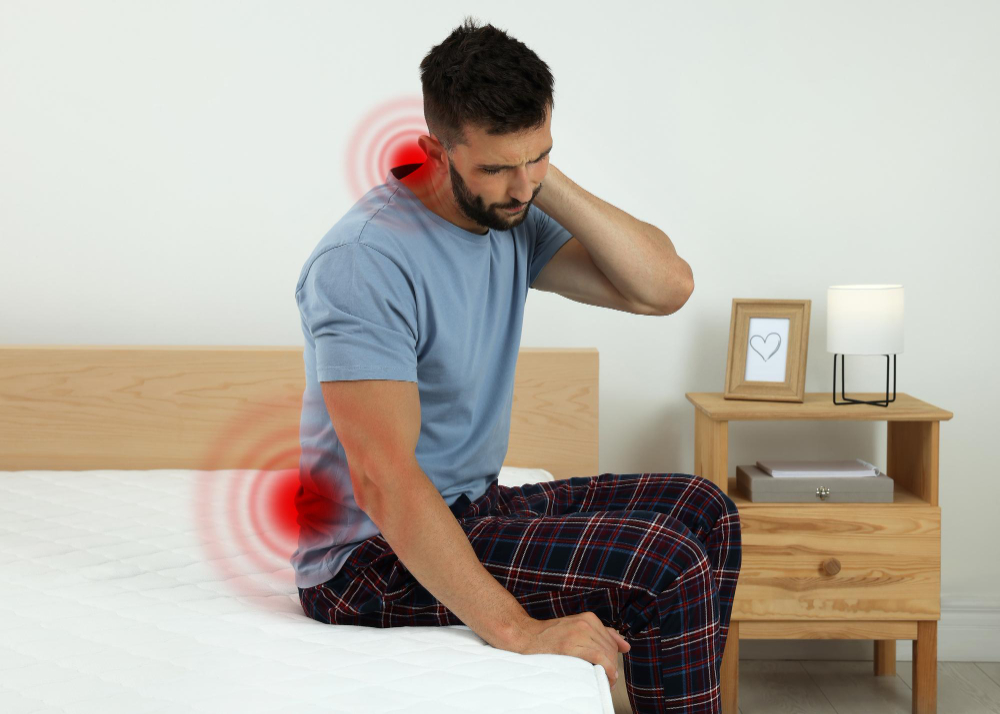
Spinal stenosis is a condition where the spaces in your spine become narrow. This narrowing can put pressure on the nerves in your back. As a result, many people experience back pain, numbness, or weakness. Spinal stenosis is common, especially in older adults. However, early detection and proper orthopedic care can help manage symptoms and improve quality of life.
What is Spinal Stenosis?
Spinal stenosis means the spinal canal, which holds the spinal cord and nerves, becomes tight. Because of this, nerves may get squeezed. Most often, spinal stenosis affects the lower back or neck. While some people have no symptoms, others may feel pain or tingling. According to the CDC, spinal stenosis is a leading cause of back pain in adults over 50.
Common Symptoms of Spinal Stenosis
Symptoms can vary, but many people notice changes over time. For example, you might feel:
Sometimes, symptoms improve when you sit or lean forward. However, if you notice sudden or severe changes, seek medical help right away.
Causes and Risk Factors
There are several reasons why spinal stenosis can develop. Most often, it happens as people age. Over time, the bones and tissues in the spine can change. For instance, these changes may include:
Additionally, certain factors can raise your risk. These include being over 50, having a family history of spine problems, or doing heavy physical work.
Diagnosis: How Spinal Stenosis is Identified
Doctors use several steps to diagnose spinal stenosis. First, they ask about your symptoms and medical history. Next, they perform a physical exam to check your strength, reflexes, and balance. Often, imaging tests help confirm the diagnosis. These may include:
With these tests, doctors can find where the spine is narrow and which nerves are affected. Early diagnosis helps guide the best treatment plan.
Treatment Options for Spinal Stenosis
Treatment depends on how severe your symptoms are. For mild cases, simple steps may help. However, more serious cases might need advanced care. Common treatment options include:
Because each person is different, your orthopedic specialist will recommend the best plan for you.
Lifestyle Tips and Self-Care
Although treatment helps, daily habits can make a big difference. For example, you can:
With these tips, many people find relief from back pain and nerve compression.
Prevention Strategies
While you cannot always prevent spinal stenosis, some steps may lower your risk. For instance, you should:
By following these strategies, you can support your spine health and reduce the chance of problems later.
In summary, spinal stenosis can cause discomfort, but many treatments and self-care steps are available. Consult Terai Advance Care for expert evaluation and personalised treatment of spinal stenosis. Take proactive steps today to relieve nerve pressure and improve your spine health.