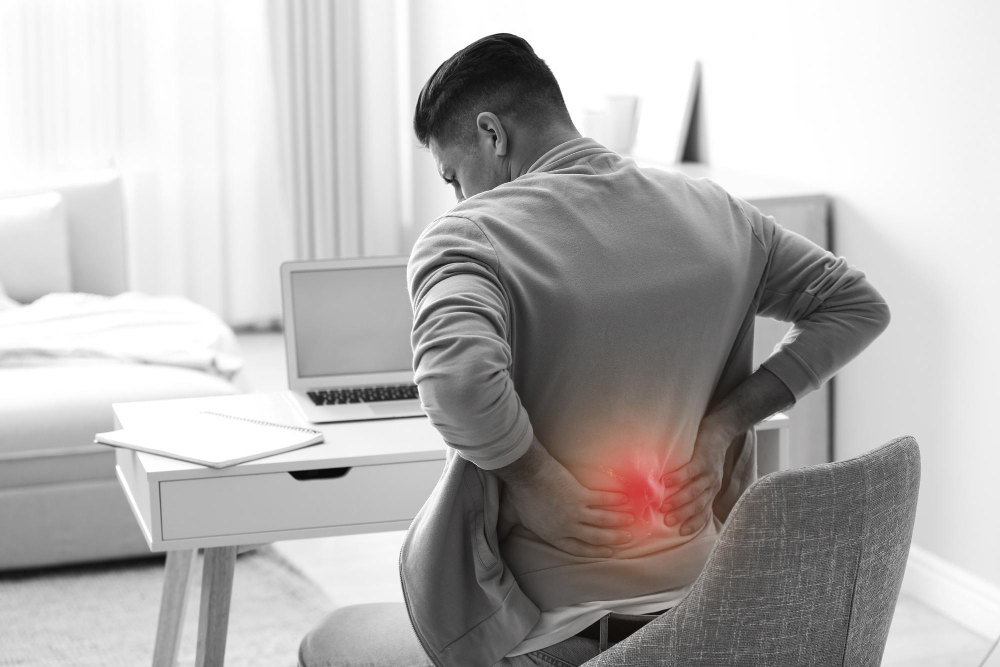
What Are Herniated Discs?
A herniated disc happens when the soft center of a spinal disc pushes out through a crack in the tougher outer layer. This condition is also called a slipped or ruptured disc. Because the spine supports your body, herniated discs can cause pain and limit movement. In many cases, people experience back or neck pain. However, some may not notice any symptoms at first. According to the CDC, herniated discs are a common reason for back pain in adults.
Common Symptoms of Herniated Discs
Not everyone with a herniated disc feels pain. Still, many people notice symptoms that can affect daily life. For example, you may feel:
Sometimes, symptoms depend on where the herniated disc is located. For instance, a disc in the lower back may cause leg pain, while one in the neck may affect your arms. If you notice sudden weakness, loss of bladder control, or severe pain, seek medical help right away.
Causes and Risk Factors
Herniated discs often result from wear and tear as you age. Over time, discs lose water and become less flexible. As a result, they can tear or rupture more easily. Other common causes and risk factors include:
Additionally, men between ages 30 and 50 are more likely to develop herniated discs. But anyone can be affected.
How Herniated Discs Are Diagnosed
Doctors use several steps to diagnose herniated discs. First, they ask about your symptoms and medical history. Next, they perform a physical exam to check for pain, numbness, or weakness. Sometimes, doctors order imaging tests to confirm the diagnosis. These may include:
In some cases, nerve tests may be used to see how well your nerves are working. Early diagnosis helps guide the best treatment for herniated discs.
Treatment Options for Herniated Discs
Treatment for herniated discs depends on your symptoms and how severe they are. Many people get better with simple, non-surgical care. For example, doctors may suggest:
If symptoms do not improve, other options may be considered. These include:
According to the American Academy of Orthopaedic Surgeons, most people recover without surgery. However, always follow your doctor’s advice for the best results.
Lifestyle Tips and Prevention
While you cannot always prevent herniated discs, healthy habits can lower your risk. For instance, you can:
Additionally, staying active and stretching can help keep your spine flexible.
Consult Terai Advance Care for expert evaluation and personalised treatment of herniated discs. Take the first step toward a healthier spine and pain-free movement today.