What is Scoliosis?
Scoliosis is a condition where the spine curves sideways. Usually, the spine should be straight when viewed from the back. However, with scoliosis, it forms an “S” or “C” shape. This curve can be mild or severe. Often, scoliosis starts in children or teenagers. But adults can also develop it. Early detection is important because it can help prevent the curve from getting worse. According to the World Health Organization (WHO), scoliosis affects millions of people worldwide.
Common Symptoms of Scoliosis
Scoliosis symptoms can vary. Some people may not notice any signs at first. However, as the curve gets bigger, symptoms may appear. Common signs include:
Sometimes, people feel tired after standing or sitting for a long time. In rare cases, severe scoliosis can affect breathing.
Causes and Risk Factors
There are several causes of scoliosis. Most cases are called “idiopathic,” which means the cause is unknown. However, some known causes and risk factors include:
Girls are more likely than boys to have curves that get worse. Also, scoliosis often appears during growth spurts in childhood or the teen years.
How Scoliosis is Diagnosed
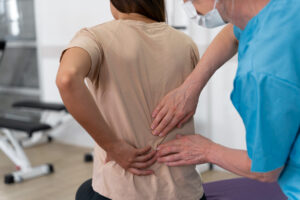
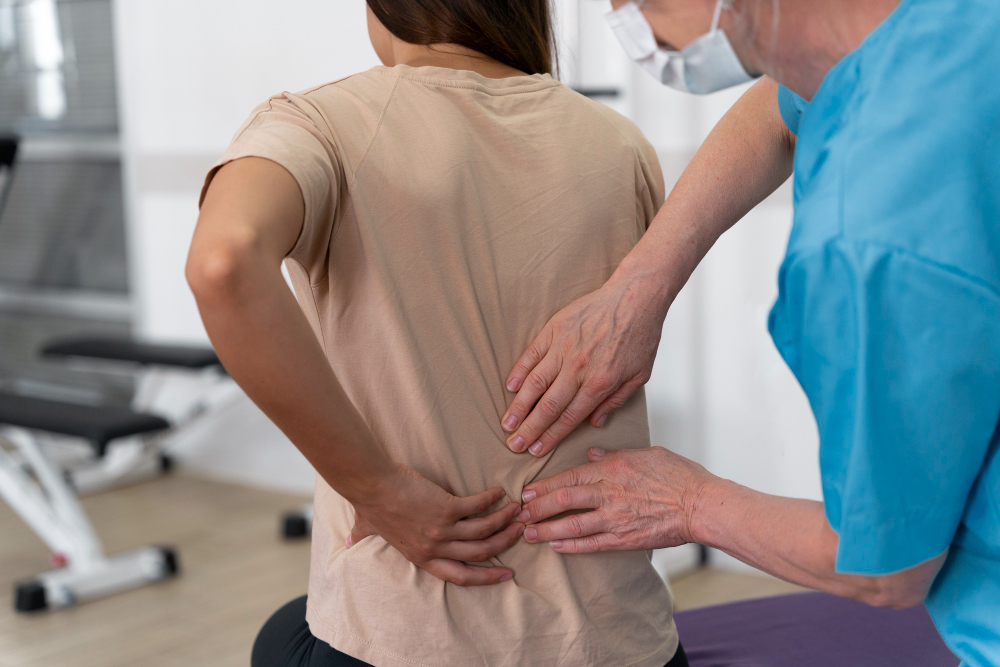
Doctors use several steps to diagnose scoliosis. First, they ask about symptoms and family history. Next, they do a physical exam. During this exam, you may be asked to bend forward. This helps the doctor see any curve or unevenness. If scoliosis is suspected, the doctor will order an X-ray. X-rays show the shape and size of the curve. Sometimes, other tests like MRI or CT scans are needed. Early diagnosis is important because it helps guide treatment. The Centers for Disease Control and Prevention (CDC) recommends regular check-ups for children and teens.
Treatment Options for Scoliosis
Treatment for scoliosis depends on the curve’s size, age, and symptoms. There are both non-surgical and surgical options.
Non-Surgical Treatments
Surgical Treatments
Surgery is usually for severe curves or when other treatments do not work. According to peer-reviewed studies, most people recover well after surgery.
Lifestyle Tips and Daily Management
Living with scoliosis can be easier with some daily habits. For example, regular exercise helps keep the back strong. Swimming, walking, and stretching are good choices. Also, using a supportive chair can reduce back pain. If you carry a backpack, use both straps to spread the weight. In addition, try to keep a healthy weight. This reduces stress on your spine. Finally, talk to your doctor about activities that are safe for you.
Prevention and Early Detection
While you cannot always prevent scoliosis, early detection makes a big difference. Parents should watch for signs like uneven shoulders or hips in children. Schools sometimes do scoliosis screenings. If you notice any changes in posture, see a doctor right away. Early treatment can stop the curve from getting worse. The CDC and WHO both stress the value of early checks for children and teens.
Conclusion
Scoliosis is a common condition, but early diagnosis and treatment can help manage it well. If you or your child notice any signs, do not wait. Consult an orthopedic specialist ShreelKoirala Koirala for personalized advice on scoliosis.