
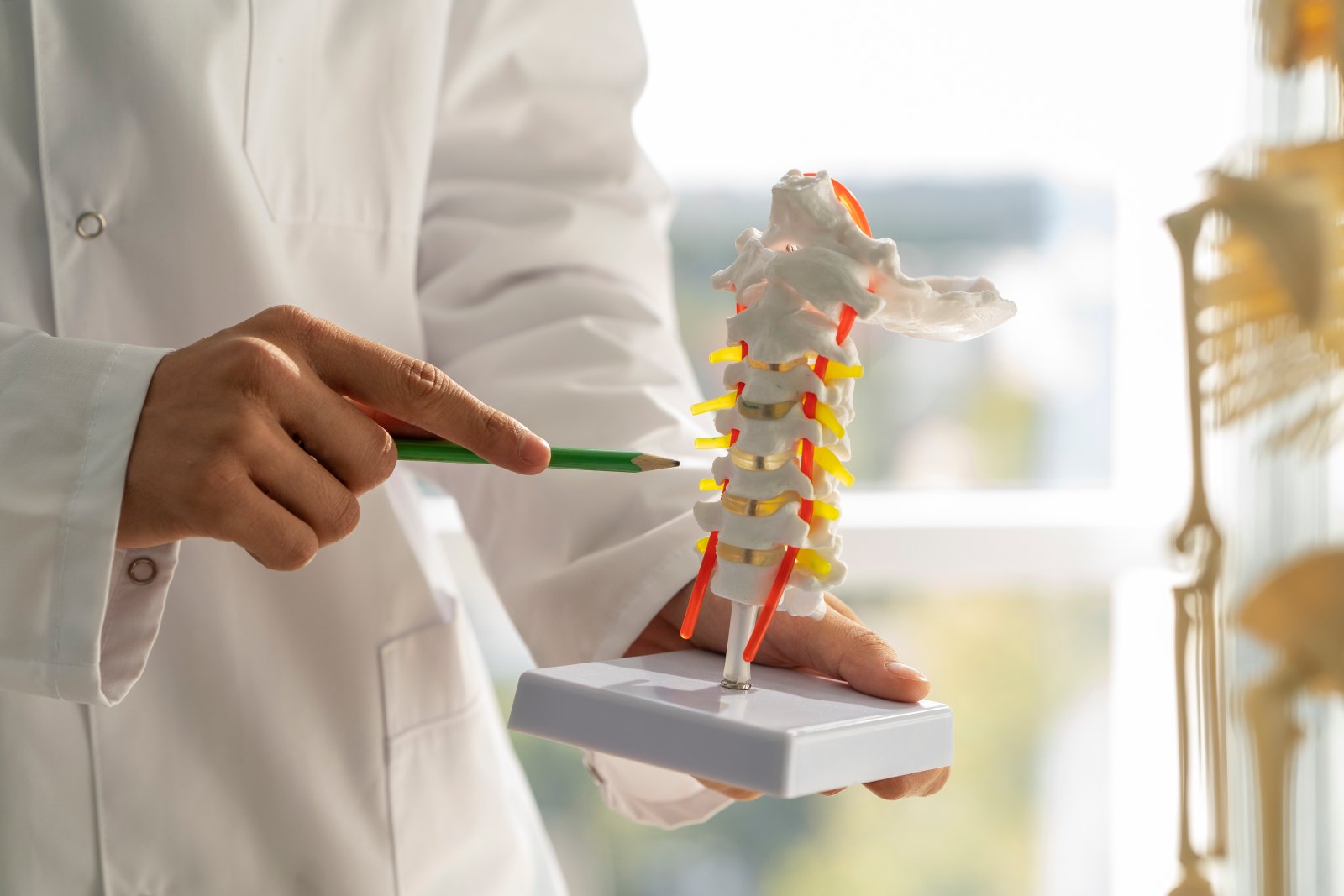
What is Spondylolisthesis?
Spondylolisthesis is a condition where one of the bones in your spine, called a vertebra, slips out of place. Often, this bone moves forward over the bone below it. As a result, you may feel back pain or leg pain. Many people with spondylolisthesis do not notice symptoms at first. However, the condition can get worse over time. Early care can help prevent more problems. According to orthopedic experts, spondylolisthesis is a common cause of back pain in both teens and adults.
Causes of Spondylolisthesis
There are several reasons why spondylolisthesis can happen. Sometimes, you are born with a weak spot in your spine. Other times, an injury or stress on the back can cause it. For example, sports that put pressure on the lower back may lead to this problem. In older adults, wear and tear from aging can also be a cause. Here are the main causes:
Because there are many causes, it is important to know your risk factors. For instance, gymnasts and football players have a higher risk due to repeated back bending.
Common Symptoms
Not everyone with spondylolisthesis feels pain right away. Still, some symptoms are common. If you notice these signs, you should talk to a doctor. Early treatment can help you feel better. Common symptoms include:
Sometimes, you may notice changes in your posture. For example, you might lean forward when standing or walking. If you have trouble walking or lose control of your bladder or bowels, seek help right away.
Diagnosis Methods
Doctors use several ways to find out if you have spondylolisthesis. First, your doctor will ask about your symptoms and check your back. Next, they may order tests to see the bones in your spine. Common diagnosis methods include:
With these tests, doctors can find out how much the bone has moved. This helps them choose the best treatment for you. Early diagnosis can prevent further damage and pain.
Treatment Options
Treatment for spondylolisthesis depends on how severe your symptoms are. For many people, simple steps can help. However, some may need surgery if the problem is serious. Here are common treatment options:
Most people feel better with non-surgical care. Still, surgery may be needed if pain does not improve or if nerves are affected. Always follow your doctor’s advice for the best results.
Prevention and Lifestyle Tips
While you cannot always prevent spondylolisthesis, some steps can lower your risk. For example, keeping your back strong and flexible helps. Here are some helpful tips:
Additionally, seeing your doctor for regular check-ups can help catch problems early. If you play sports, always use the right gear and follow safety rules.
When to See a Doctor
If you have back pain that does not go away, it is important to see a doctor. Also, if you notice numbness, tingling, or weakness in your legs, seek help soon. Sometimes, spondylolisthesis can press on nerves and cause serious problems. Early care can prevent lasting damage. If you lose control of your bladder or bowels, go to the emergency room right away.
Spondylolisthesis is a spinal condition where one vertebra slips out of its normal position, causing back pain, stiffness, or nerve-related symptoms. Early diagnosis and the right treatment approach can help manage pain, improve mobility, and prevent complications. From conservative care to advanced treatment options, timely medical guidance plays a key role in recovery.
Get expert evaluation and personalised spine care at Terai Advance Care. Consult our specialists for accurate diagnosis and advanced treatment solutions for spondylolisthesis.