
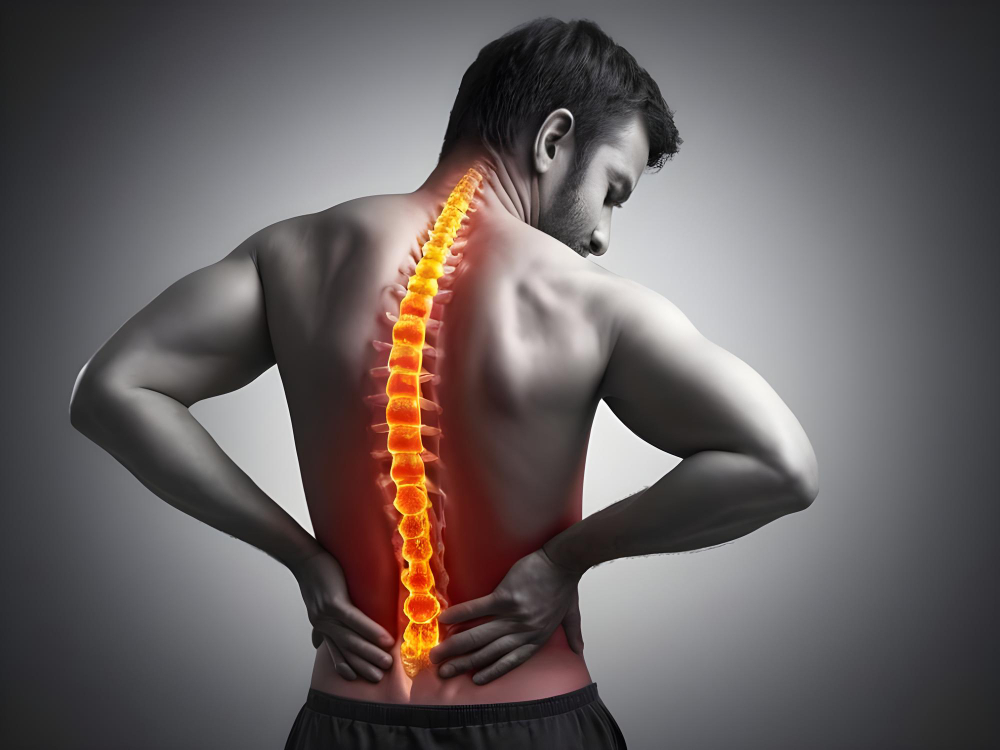
What Is Spine Instability?
Spine instability means the bones in your back do not stay in the right position. Because of this, your spine may move more than it should. Often, this can lead to pain or nerve problems. Spine instability can affect your daily life. For many people, it makes simple movements hard. In some cases, it may even cause numbness or weakness. If you notice these signs, it is important to learn more about spine instability and its treatment options.
Common Causes of Spine Instability
There are several reasons why spine instability can happen. Sometimes, it develops slowly. Other times, it can appear after an injury. Here are some common causes:
Additionally, some people are born with spine problems that make instability more likely. No matter the cause, early care can help prevent further damage.
Symptoms and When to Seek Help
Spine instability can cause many symptoms. However, not everyone will feel the same signs. Common symptoms include:
Sometimes, symptoms can come and go. But if you notice pain that does not improve, or if you have trouble walking, you should see a doctor. Early treatment can help you avoid more serious problems.
Diagnosis: How Doctors Identify Spine Instability
Doctors use several steps to find out if you have spine instability. First, they will ask about your symptoms and medical history. Next, they will do a physical exam. During the exam, your doctor may check your strength, reflexes, and how you move. In many cases, imaging tests help confirm the diagnosis. These tests may include:
With these tools, doctors can find the cause and plan the best treatment. According to the CDC and peer-reviewed journals, early diagnosis leads to better outcomes.
Surgical Treatment Options for Spine Instability
Sometimes, surgery is the best way to treat spine instability. Doctors may suggest surgery if other treatments do not help. There are several surgical options:
Each surgery has its own risks and benefits. However, many people feel better after surgery. Your doctor will help you choose the right option based on your needs.
Recovery and Lifestyle Tips After Surgery
After surgery for spine instability, recovery is important. Most people need time to heal. Here are some tips to help you recover:
In addition, avoid heavy lifting or sudden movements. With time and care, many people return to their normal activities. The World Health Organization suggests staying active and following your care plan for the best results.
Prevention and Long-Term Care
Even after treatment, it is important to protect your spine. You can lower your risk of future problems by:
Because prevention is key, small changes can make a big difference. Long-term care helps keep your spine healthy and reduces the chance of new issues.
In summary, spine instability can affect your life in many ways. But with the right care, you can manage symptoms and stay active. If you think you have spine instability, consult an orthopedic specialist Dr. ShreelKoirala Koirala for personalized advice and treatment options.