What Is Osteoporosis?
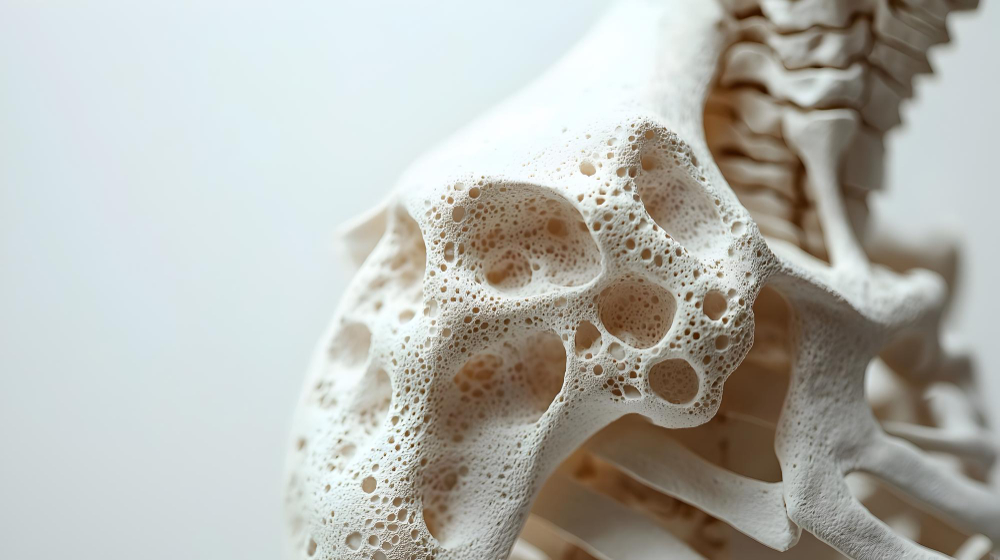
Osteoporosis is a condition where bones become weak and brittle. As a result, even a minor fall or bump can cause a fracture. Many people do not notice any signs until a bone breaks. However, knowing the symptoms trigger for osteoporosis can help you act early. According to the World Health Organization (WHO), osteoporosis affects millions of adults worldwide. Because bone health is vital, it is important to learn about early signs of osteoporosis and what to watch for.
Common Symptoms Trigger for Osteoporosis
Often, osteoporosis develops quietly. Still, certain symptoms can signal a problem. If you notice these signs, it may be time to check your bone health:
For many adults, these symptoms trigger for osteoporosis can appear slowly. Yet, they should not be ignored. Early detection can lead to better osteoporosis diagnosis and treatment.
Early Warning Signs to Watch For
Sometimes, the first sign of osteoporosis is a broken bone. However, there are other early warning signs you can watch for:
Additionally, if you notice you are getting shorter, this could be an early sign of osteoporosis. Because these changes can be subtle, it is important to pay attention to your body.
Risk Factors That Can Trigger Symptoms
Several risk factors can increase your chance of developing osteoporosis symptoms. Knowing these can help you stay alert:
For example, if you have more than one risk factor, you should talk to your doctor about osteoporosis prevention. The Centers for Disease Control and Prevention (CDC) recommends regular bone health checks for adults at risk.
When to See a Doctor
If you notice any symptoms trigger for osteoporosis, it is wise to seek medical advice. You should see a doctor if you:
Early osteoporosis diagnosis can help prevent further bone loss. Your doctor may suggest a bone density test to check your bone health. Because early treatment works best, do not wait if you have concerns.
Prevention and Lifestyle Tips
Although osteoporosis cannot always be prevented, you can lower your risk. Try these simple lifestyle tips:
Moreover, making these changes can help strengthen your bones and reduce your risk of fractures. The National Institutes of Health (NIH) also recommends staying active and eating a balanced diet for better bone health.
If you notice any symptoms trigger for osteoporosis, consult a healthcare specialist at Terai Advance Care for personalized advice.