Introduction: Understanding Herniated Disc
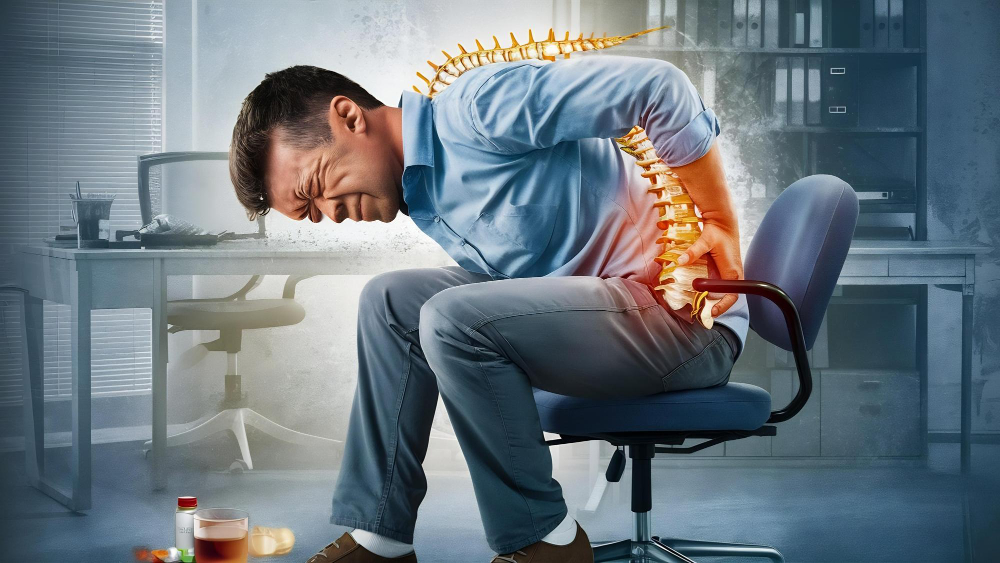
A herniated disc happens when the soft center of a spinal disc pushes out through a crack in the outer layer. This can cause pain, numbness, or weakness. Many people want to know the major causes of herniated disc because back pain is common. According to the CDC, back problems affect millions each year. Knowing the causes and risks can help you protect your spine.
Key Causes of Herniated Disc
There are several major causes of herniated disc. Understanding these can help you lower your risk. Here are the most common reasons:
For example, lifting a box with your back instead of your legs can cause injury. Even simple actions, like sneezing or coughing, may trigger a herniated disc if your spine is already weak.
Risk Factors for Herniated Disc
Some people have a higher chance of developing a herniated disc. These herniated disc risk factors include:
Because these factors add up, it is important to know your own risks. The WHO notes that lifestyle choices play a big role in spine health.
How to Recognize If You May Be at Risk
It is helpful to know if you are at risk for a herniated disc. You may be at higher risk if you:
Additionally, if you often feel back pain or stiffness, you should pay attention. Early signs can include tingling, numbness, or weakness in your arms or legs. If you notice these symptoms, it is wise to talk to a doctor.
Prevention Tips and Lifestyle Guidance
Preventing herniated disc is possible with a few simple steps. Here are some tips to protect your spine:
For example, walking daily and stretching can keep your spine flexible. Even small changes, like adjusting your chair, can make a big difference.
When to Seek Medical Help
Sometimes, back pain is more than just a strain. You should see a doctor if you have:
Because these symptoms can signal a serious problem, do not wait to get help. Early treatment can prevent more damage and help you recover faster.
Conclusion: Take Care of Your Spine
In summary, knowing the major causes of herniated disc and your personal risk factors can help you stay healthy. Simple steps, like regular exercise and good posture, go a long way in preventing herniated disc. If you have concerns or symptoms, consult an orthopedic specialist ShreelKoirala Koirala for personalized advice on herniated disc prevention and care.