What is Spinal Stenosis?
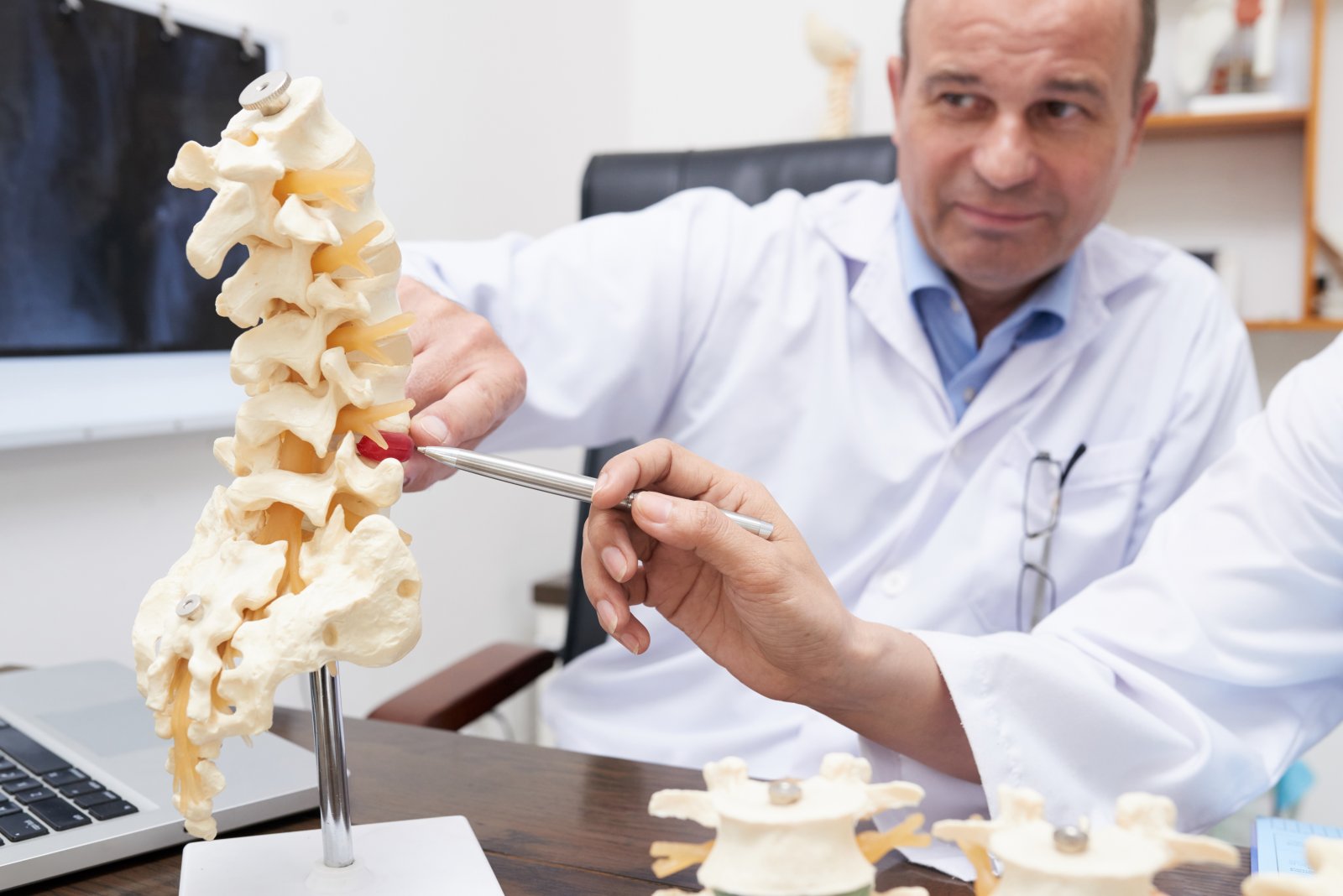
Spinal stenosis is a condition where the spaces in your spine become narrow. This narrowing can put pressure on the nerves that travel through the spine. As a result, you may feel pain, numbness, or weakness. Most often, spinal stenosis affects the lower back or neck. Although it can happen to anyone, it is more common in older adults. Early detection can help manage symptoms and improve quality of life.
Common Symptoms of Spinal Stenosis
Spinal stenosis symptoms can vary from person to person. However, some signs are more common. If you notice any of these, it may be time to talk to your doctor:
Sometimes, symptoms may come and go. But if they get worse, you should seek medical help.
Causes and Risk Factors
There are several causes of spinal stenosis. Most often, it happens because of wear and tear on the spine as we age. However, other factors can also play a role:
Age is the biggest risk factor. But, having a family history or certain health conditions can also increase your risk.
How is Spinal Stenosis Diagnosed?
Doctors use several steps to diagnose spinal stenosis. First, they will ask about your symptoms and medical history. Next, they will do a physical exam. During this exam, your doctor may check your strength, reflexes, and balance. If needed, they may order tests such as:
With these tests, your doctor can confirm if you have spinal stenosis and decide on the best treatment.
Treatment Options for Spinal Stenosis
Treatment for spinal stenosis depends on how severe your symptoms are. In many cases, simple steps can help manage pain and improve movement. Some common treatments include:
Often, doctors start with the least invasive treatments. However, if symptoms do not improve, surgery may be considered.
Lifestyle Tips and Prevention
While you cannot always prevent spinal stenosis, some lifestyle changes can help lower your risk or ease symptoms. For example:
Additionally, quitting smoking and eating a balanced diet can support spine health.
When to See a Doctor
Sometimes, mild back or neck pain goes away on its own. However, you should see a doctor if you have:
Early treatment can prevent symptoms from getting worse. Therefore, do not wait if you notice these signs.
Frequently Asked Questions (FAQs)
Conclusion and Next Steps
In summary, spinal stenosis is a common condition that can cause pain and weakness. However, with early diagnosis and the right treatment, most people can manage their symptoms. If you think you may have spinal stenosis, consult an orthopedic specialist at Terai Advanced Care for personalized advice and care.